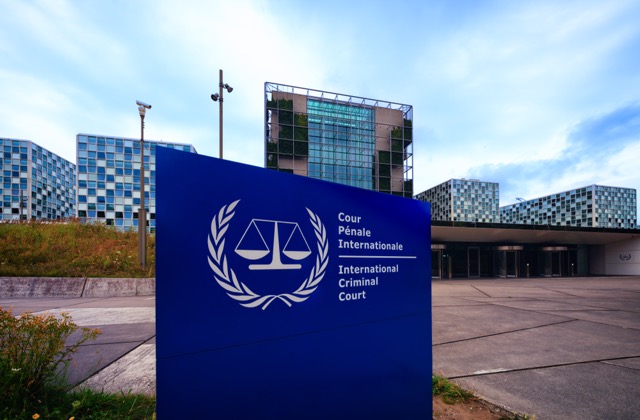
Mali, Burkina Faso, and Niger have collectively announced their withdrawal from the International Criminal Court, accelerating a broader trend of insulating the Alliance of Sahel States from external supervision. In a statement released Monday night, the three military governments accused the I.C.C. of being incapable of prosecuting war crimes, crimes against humanity, genocide, and aggression, without further elaboration, Reuters reports. Instead, they declared their intent to establish “indigenous mechanisms for the consolidation of peace and justice” within their own borders, according to Al Jazeera.
The decision elicited concern among human rights organizations. Amnesty International condemned the withdrawal as “a serious setback for accountability,” while Human Rights Watch warned that it would “jeopardize justice for victims of atrocity crimes.” The A.P. reports that the I.C.C., which was founded in 2002 as the court of last resort when national systems fail to prosecute crimes, currently has an open investigation into alleged war crimes in Mali dating back to 2013. Critics argue that leaving the court will strip citizens of an external safeguard against impunity at a time when abuses by both state forces and armed groups remain widespread.
The exit reflects a larger pattern of withdrawal from international institutions. In January 2025, the three states left the Economic Community of West African States, claiming the bloc had grown too influenced by Western powers. According to the B.B.C., relations between E.C.O.W.A.S. and the three Sahel countries had been tense since the military seized power in Niger in 2023, Burkina Faso in 2022, and Mali in 2020. They later formed the A.E.S. as a regional alternative, and abandoning the I.C.C. now is another calculated step toward isolation. By invoking sovereignty as justification, the juntas can evade accountability for alleged war crimes, repression, and unconstitutional rule. Closing off international oversight allows these regimes to consolidate power, indefinitely postpone elections, and silence opposition under the guise of protecting national interests. In doing so, the juntas are not only shielding themselves from scrutiny but also undermining the global framework meant to protect human rights. The ultimate cost will be borne by civilians, whose avenues for justice and protection grow narrower.
The withdrawal from the I.C.C. must also be understood in the context of the political climate within each of these countries, as reported by the Center for Strategic and International Studies. For example, in Mali, Colonel Assimi Goïta’s junta has suspended political parties following pro-democracy protests, while U.N. experts warn that Malian forces have carried out alleged summary executions that could constitute war crimes. In Burkina Faso, the two military takeovers of 2022 ushered in worsening insecurity, widespread displacement, and the indefinite postponement of elections, with the junta ruling unilaterally and repressing dissent. Finally, in Niger, the promise of its 2021 democratic transfer of power was undone by the July 2023 coup, after which the junta dissolved institutions, restricted freedoms, and aligned itself closely with its Sahelian neighbors under the A.E.S.. Together, these trajectories indicate the erosion of democratic governance and accountability across the region, leaving citizens more vulnerable to both repression and conflict.
The A.E.S.’s withdrawal from the I.C.C. is more than a severed international tie; it demonstrates a deeper pattern of impunity and unrestrained power. While the juntas claim to pursue “indigenous mechanisms” of justice, these states risk entrenching cycles of unchecked power. International and regional actors must press for genuine pathways to accountability and support local civil society voices. Without pathways toward justice, the A.E.S. risks becoming further isolated, its people left without recourse, and the promise of sustainable peace even more distant.
- Germany Lifts Arms Export Suspension As Gaza Ceasefire Remains Fragile - December 17, 2025
- Geneva Talks Begin Amid Fierce Fighting And Peace Proposal - December 1, 2025
- U.N. Renews Peacekeeping Mandate In Abyei As Border Tensions Rise - November 26, 2025